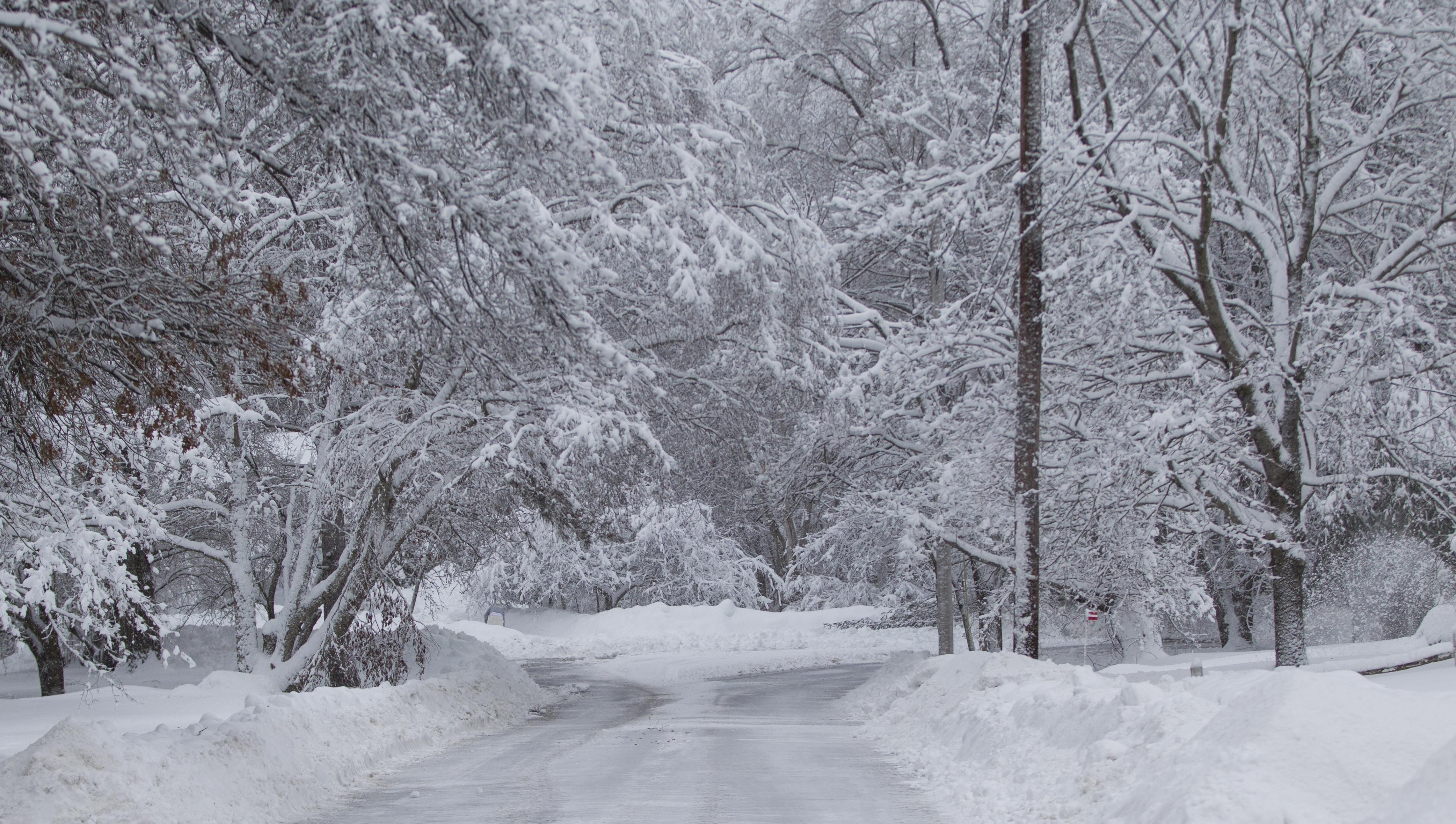
Snow Storm: Understanding The Phenomenon And How To Prepare - After a snow storm, recovery efforts focus on clearing roads, restoring power, and assessing damage. Communities often come together to support those affected by the storm. By exploring the causes, impacts, and prevention strategies, we aim to provide a comprehensive resource for understanding snow storms. Our focus is not only on the scientific aspects but also on actionable advice that can help protect lives and property during these extreme weather events.
After a snow storm, recovery efforts focus on clearing roads, restoring power, and assessing damage. Communities often come together to support those affected by the storm.
Climate change is influencing weather patterns worldwide, including the frequency and intensity of snow storms. Warmer ocean temperatures and increased atmospheric moisture can contribute to more severe storms.
The cost of snow storms includes not only direct damages but also indirect costs such as lost productivity and increased healthcare expenses. Understanding these costs can help inform policy decisions and resource allocation.
If you must travel during a snow storm, ensure your vehicle is equipped with emergency supplies, such as blankets, food, and water. Drive slowly and maintain a safe distance from other vehicles.
First Snow Storm of the Season (photos) The Manchester Mirror
Nor'easters are powerful storms that occur along the eastern coast of North America. These storms are known for their strong winds and heavy precipitation, which can include snow, sleet, or rain.

Snow storms are some of the most powerful and disruptive weather events on Earth, affecting millions of people every year. These intense weather systems can bring heavy snowfall, strong winds, and freezing temperatures, causing widespread disruptions to daily life. Understanding snow storms is essential for anyone living in regions prone to such conditions, as it helps with preparation and safety.
Some communities may experience long-term effects from snow storms, such as damage to infrastructure or economic losses. Developing resilient strategies can help mitigate these impacts in the future.
Lake-effect snow occurs when cold air moves over warmer lake water, causing moisture to rise and condense into snow clouds. This phenomenon is common in regions near the Great Lakes.
Governments and organizations often provide assistance to help affected communities recover from the economic impacts of snow storms.
Residents in areas affected by snow storms may experience disruptions to work, school, and social activities. Businesses may close temporarily, and public services may be delayed or canceled.
Snow forms when water vapor in the atmosphere freezes into ice crystals. These crystals combine to form snowflakes, which fall to the ground as snow if the air temperature remains below freezing.